
Splitting land in McLennan County? A Waco civil engineer walks through the platting process, from survey to recording, and how long each step takes.
If you own land in McLennan County and want to split it into lots, whether to sell a few acres, give a tract to family, or build a small subdivision, you will usually need a plat. A plat is the legal map that creates the new lots, gets recorded with the County Clerk, and lets each lot be sold, financed and permitted on its own.
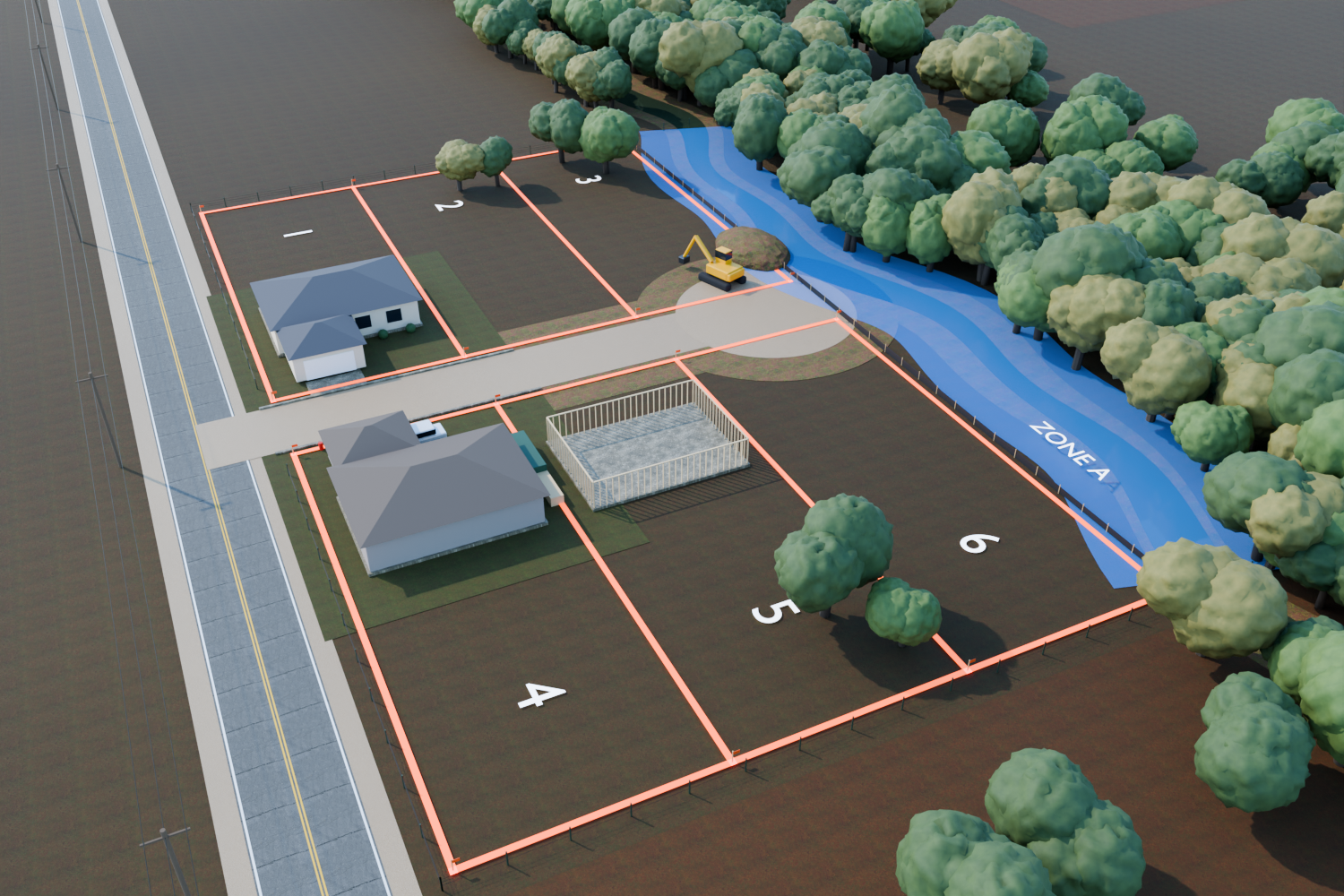
The process isn't complicated once you know the steps, but skipping one can cost months. Here is how platting works in McLennan County, what the county and other agencies look at, and how long a typical plat takes from start to recording.
Step 1: Find out who reviews your plat
The first question is where your property sits, because that decides who approves the plat.
Unincorporated McLennan County: plats are submitted to the County Engineer's office and approved by the Commissioners Court.
Inside a city's extraterritorial jurisdiction (ETJ): if the city has a written agreement with the county, the city regulates plats in its ETJ instead. Waco, Woodway, Hewitt, Lorena and other cities each have their own ETJ and their own rules.
Inside city limits: the city handles the plat under its own subdivision ordinance.
Getting this wrong is one of the most common ways a plat loses a month. A short pre-application call with the reviewing office, before any drawings are started, confirms which rules apply and flags anything unusual about the property.
When you don't need a plat
McLennan County's Subdivision Regulations (Section 1.7) exempt a land division outside city limits from platting when no new streets or roads are being laid out and one of these applies:
Every new tract is more than 10 acres.
The land stays in agricultural use, such as farming, ranching, wildlife management or timber.
Four or fewer tracts go to family members related to you within the third degree, such as children, grandchildren, siblings, nieces and nephews. A private access road serving just those tracts is allowed if it meets the county's flag-lot and access-easement rules.
You split a tract in two, keep one part, and sell the other to a buyer who will plat it before developing it.
Co-owners divide land among themselves, such as heirs splitting an inherited tract, and a plat is filed before any further development.
The split is only for financing the construction or refinancing of a building, with no change in ownership.
All tracts are sold to veterans through the Texas Veterans Land Board program.
The county also exempts right-of-way purchases by public agencies, state-owned land, and certain floodplain land sold by a public entity to adjoining owners.
Two catches matter. First, an exemption only covers what it describes. If the land is later divided further, sold outside the family, or developed beyond the exemption, the platting rules apply at that point. Second, being exempt from platting does not exempt you from the county's floodplain development and on-site sewage facility (OSSF) rules. A short call before you sell or deed off land is the cheapest way to confirm which case you're in.
Step 2: Survey the property and do the homework
Every plat starts with a boundary survey by a Registered Professional Land Surveyor. While the survey is underway, your engineer checks the things that decide whether the lots you want will actually work:
Floodplain. Any FEMA flood zone has to be shown on the plat with base flood elevations, and lots in the floodplain need finished floor elevations shown. See Is Your Property in a Floodplain?
Access. Lots need frontage on a road. The county generally doesn’t allow flag lots, and shared access driveways are limited: one lot without its own road frontage, plus up to two more, and no more than 10% of the lots in a subdivision. Any easement serving more than three lots has to be built as a street to county standards.
Water. The plat names the water provider and its CCN number. If lots will be on wells, a professional engineer has to certify there is enough groundwater to meet TCEQ requirements.
Septic. Lots on septic have to meet the county’s OSSF rules and can’t be smaller than half an acre. Lots on public sewer can be as small as 5,000 square feet.
Drainage. The county requires a drainage plan with the plat, showing existing drainage patterns and any detention ponds or drainage structures.
This is where most surprises show up. It's far cheaper to find out now that a lot line needs to move than after the plat is drawn.
Step 3: Prepare and submit the plat
With the survey and homework done, the surveyor and engineer put the plat together. A small split of four or fewer lots with no new roads can go straight to a final plat. A subdivision with more than four lots (counting the leftover tract) that lays out roads or access easements needs a preliminary plat approved first, then a final plat.
A McLennan County final plat submittal includes:
The county application form and review fee
The plat drawing, with lot lines, acreage, easements, right-of-way, flood zones and the county’s required plat notes
An original tax certificate showing the property taxes are paid
A final drainage plan
Water provider information, or an engineer’s groundwater certification for wells
Certification that the lots meet the county’s OSSF rules
Street names approved by the McLennan County 911 Emergency Assistance District, if there are new roads
Sealed engineering plans, and a bond or letter of credit if roads or drainage will be built after the plat is recorded
A complete, clean submittal is the biggest single factor in how fast a plat moves. The county allows one re-review at no extra cost; after that, each resubmittal carries an additional fee.
Step 4: Review, approval and recording
The County Engineer’s office checks the submittal for completeness and lets you know within 10 business days if anything is missing. Once the plat is accepted as complete, the Commissioners Court must act on it within 60 days. If the Court misses that deadline, the plat is approved by operation of law. In practice, most of the time goes to back-and-forth on review comments before the plat is accepted.
After approval, the County Engineer’s office presents the signed mylar and tax certificate to the McLennan County Clerk for recording. At that point the new lots legally exist and can be sold, financed and permitted. Approval of the plat does not mean the county will maintain any new roads. That takes a separate Commissioners Court order after the roads are built and inspected.
How long does platting take in McLennan County?
A simple final plat with a few lots on an existing county road usually takes about 2 to 4 months from the first survey call to recording. Subdivisions that need a preliminary plat, new roads, or floodplain work go through two rounds of review and take longer.
Pre-Application, Call & Survey 2 - 4 weeks
Due Diligence and Plat Preparation 2 - 6 weeks
County Completeness Check Up to 10 Business Days
Review & Comment Responses 2 - 6 weeks
Commissioners Court Action Within 60 days of a complete submittal
Recording with the County Clerk 1 - 2 weeks
Inside Waco city limits the process and timeline are different. For city plats and commercial site plans, see How Long Does It Take to Develop Land in Texas?. For budget numbers, see What Does It Cost to Subdivide Land in Waco?
Frequently asked questions
Do I need a plat just to split off one lot? Not always. Outside city limits, you can often skip the plat if every tract is over 10 acres, if the land goes to family members, if it stays in agricultural use, or in a few other cases (see "When you don't need a plat" above). Under 10 acres and sold to an unrelated buyer, you'll almost certainly need one.
Can I sell a lot before the plat is recorded? If your split requires a plat, generally no. Selling those lots before the plat is recorded can cause title problems and can keep the buyer from getting permits or utility service.
Do I need both a surveyor and an engineer? The surveyor prepares the boundary and the plat drawing. An engineer handles anything the reviewers require beyond that, such as drainage, floodplain, road or utility work, and can coordinate the whole process so it moves faster.
What's the most common cause of delays? Incomplete submittals, and floodplain or access issues that weren't caught before the plat was drawn.
Planning to plat land in McLennan County?
Merritt Engineering Services is a Waco civil engineering firm that takes plats through McLennan County and the surrounding cities. A licensed Professional Engineer runs every project from the first call to plan approval. We'll tell you early what the county will look for, so there are no surprises halfway through.
Call (254) 709-5720 or contact us to talk through your property.